

Solving common aquarium challenges
Every fish keeper, especially beginners, encounters hiccups along the way. This page is designed to guide you through common issues like dropsy, plant problems, water readiness, and water changes, helping you maintain a healthy and stable environment for your aquatic friends.
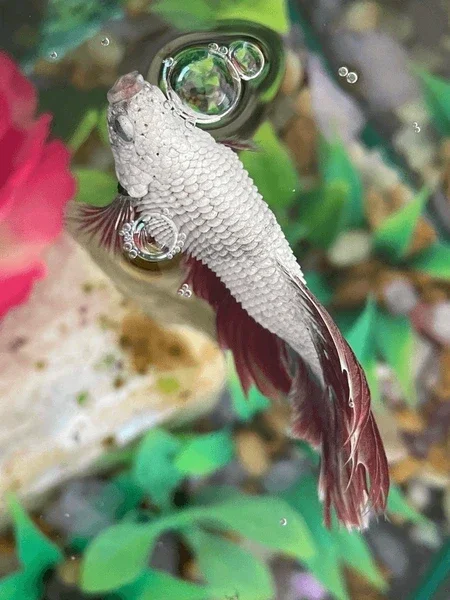
Understanding dropsy in your fish
Dropsy is a symptom, not a disease itself, indicating an underlying health issue. It often manifests as a swollen abdomen and protruding scales, giving the fish a "pinecone" appearance. Early detection and understanding the potential causes, such as poor water quality or internal infections, are crucial for effective treatment. Its solved most often with a water change and some medicine!
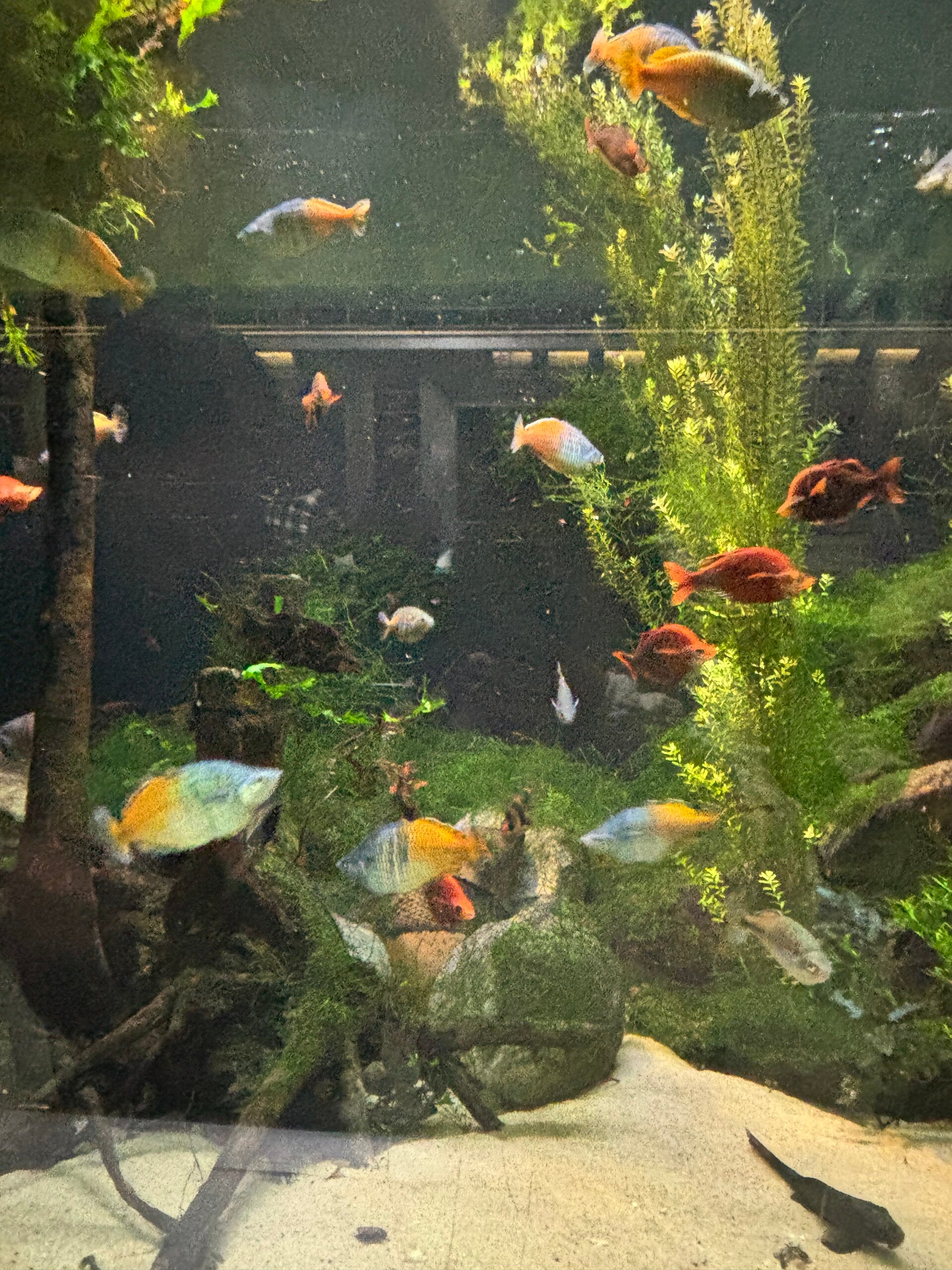
Reviving struggling aquatic plants
Seeing your beautiful aquarium plants start to die can be disheartening. Common issues include yellowing leaves, melting, or stunted growth. These often point to imbalances in light, nutrients, or CO2. Discover how to diagnose what's ailing your aquatic flora and the simple adjustments you can make to bring them back to life, creating a lush, thriving environment for your fish.

Ensuring your water is fish-ready
The foundation of a healthy aquarium is stable, clean water. Knowing when your water is truly ready for fish, especially after setting up a new tank, is vital. This section guides you through the cycling process, explaining essential parameters like ammonia, nitrite, and nitrate levels. Learn how to perform tests and interpret results to ensure your aquatic pets thrive in their new home. I learned this all myself, and you can too!
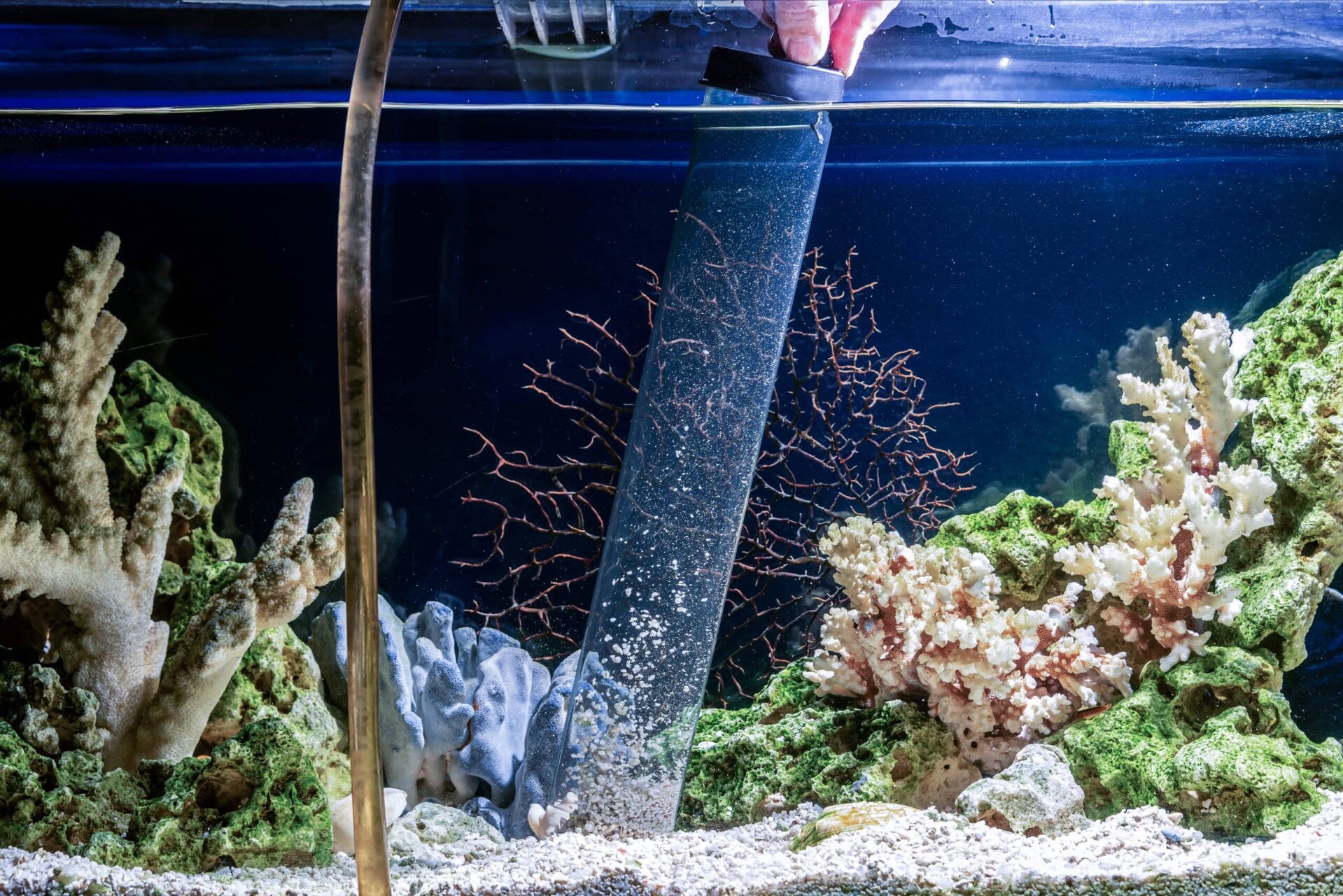
Mastering the art of water changes
Regular water changes are one of the most important maintenance tasks for any aquarium. They help remove accumulated nitrates and replenish essential minerals, keeping your fish healthy and water quality pristine. This guide breaks down the process into easy-to-follow steps, including how much water to change, how often, and tips for making it a stress-free experience for both you and your fish. Remember, this sort of thing happens to everyone; it's about helping keep the fish's environment healthy and stable.